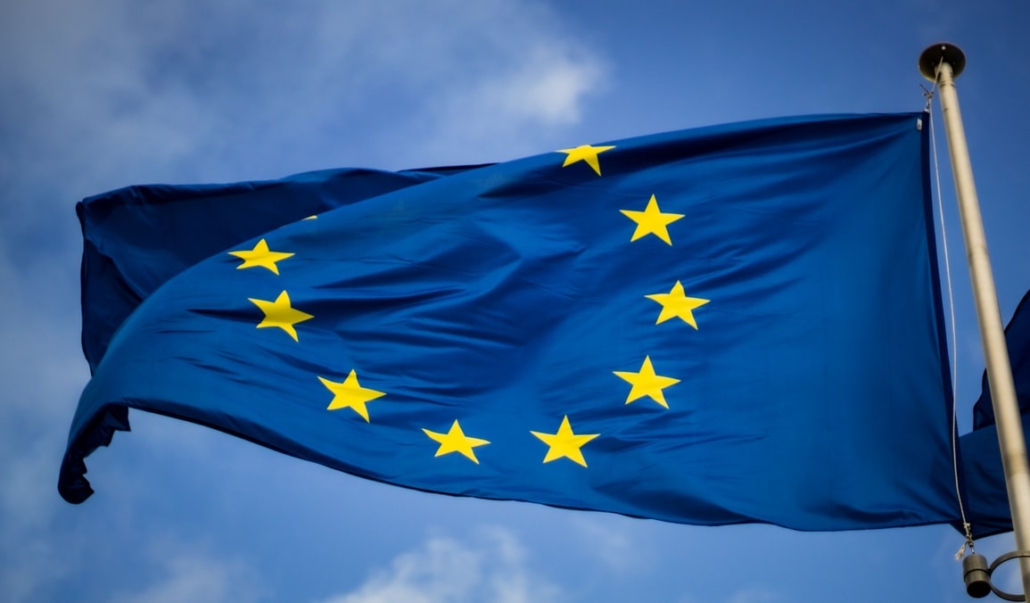
Vaccination campaigns have been now at full capacity for several months. Summer is just around the corner and the European Union is finally working towards the approval of the so-called Green Pass: a sort of healthcare passport that will grant fully vaccinated citizens free movement within the Schengen area.
Green Pass: the news
Information contained in the Green Card
Member states have agreed on a common model for electronic and paper versions. It will be digital proof that a person is in one of the following conditions:
- vaccinated
- tested and resulted negative
- recovered from COVID-19
How to get it
Each country can start issuing and using it already, it will be officially available in all EU Member States starting from July 1st, 2021.
The digital version can be stored on a mobile device. Citizens can also request paper version. In any case, both will have a QR code as well as a digital signature to verify its authenticity.
Freedom of movement
The Green Pass will be approved in all Member States: it will help ensure the restrictions can be revoked in a coordinated way. All certificate signatures can then be verified across the Union.
What happens to those who are not yet vaccinated
Citizens not yet vaccinated will still be able to travel to another EU country, and indeed, they will further benefit from the Green Pass, as it will easily allow free movement within those states where travel restrictions are still in place.
European exhibition industry
EMECA, UFI and other international trade associations lobbying for several months in this direction, have welcomed the Green Pass and urge all European countries to resume travel for business purposes as soon as possible.
Time has come for companies and communities to get together and do business again. The industry needs live trade shows and events, especially now that Covid testing and health protocols are widely available.
A broader perspective
The Green Pass alone, however, does not clarify when fairs and large live events will return. The sector needs clear timing and norms in order to restart safely and in full compliance with public health policies.
National governments still struggle providing clear guidelines and lack international travel agreements, making things difficult for trade fair organizers and participants. Several exhibitions and summer events have been postponed for this very reason.
European market at risk
Before the pandemic, Europe was the largest trade fair market in the world, hosting nearly all major international events. Today its position has weakened, a key resource for the economy and competitiveness that is in danger of being lost when it is most needed.
Market shares could be lost due to this indecisiveness, because while the EU is still waiting to settle proper regulations for big events, trade fairs and major events have been organized for months in Asia, the Middle East and the United States.
Fairs as a key tool for the European agenda
The EU has an ambitious agenda: it works to strengthen its resilience, reduce its strategic dependencies and support new industrial alliances.
In order to address and realize these goals in a short span of time, platforms such as exhibitions, congresses and other types of professional events play an important role.
Without a competitive exhibition industry, trade shows and professional events, risk is that the necessary transition towards a digital, sustainable and competitive Europe will be less efficient and much, much slower.